Dealing with fly-tipping outside Maida Vale and W2
Posted on 10/06/2026
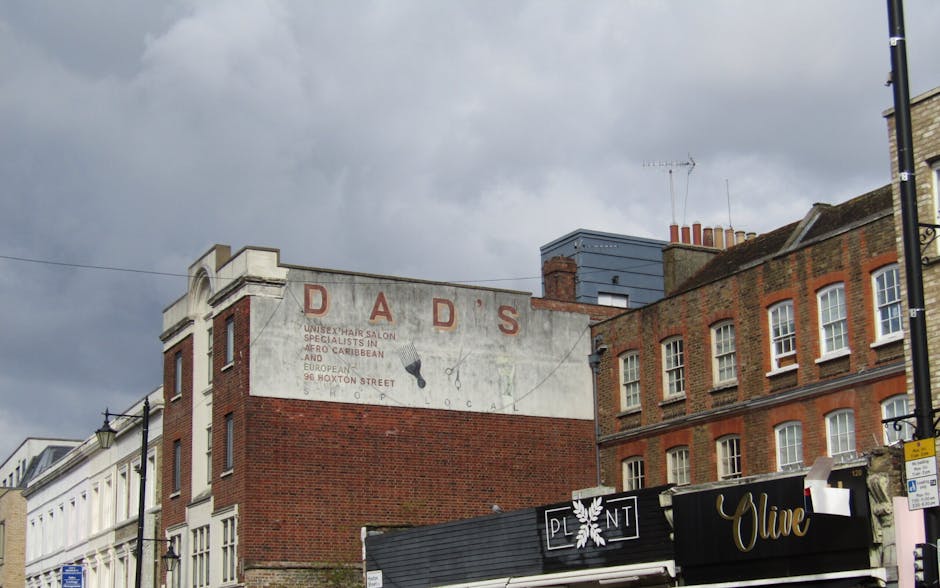
Dealing with fly-tipping outside Maida Vale and W2: a practical local guide
Fly-tipping outside Maida Vale and W2 is one of those problems that can start small and then become strangely messy, very quickly. A mattress left near a bin store, a few black sacks on the pavement, builders' rubble tucked beside a wall - by the next morning, it can feel like the street has taken a hit. If you are dealing with fly-tipping outside Maida Vale and W2, the real question is not just "what is this?" but "what do I do now, safely and properly?"
This guide walks through the practical steps, the common mistakes to avoid, the kinds of clean-up decisions that usually make sense, and the standards worth keeping in mind. It is written for residents, landlords, property managers, businesses, and anyone who has to deal with a patch of dumped rubbish that is now everyone's problem. Let's face it, nobody wants to be staring at a pile of mystery waste at 8 a.m. on a wet London morning.
Why Dealing with fly-tipping outside Maida Vale and W2 Matters
Fly-tipping is not just untidy. It affects how a street feels, how safe it is to walk past, and how much work lands on the people living or working nearby. Outside Maida Vale and across W2, that matters because these are busy residential and mixed-use streets where waste can block access, attract more dumping, and create a general sense that nobody is keeping an eye on things.
There is also a practical side. Waste left outside in the wrong place can become a trip hazard, make pedestrian routes awkward for prams or wheelchairs, and create a nasty smell if food waste or damp materials are involved. On a windy day, light rubbish spreads fast - packaging, insulation offcuts, broken bags, the lot. By the time someone notices, the job can already be bigger than it first looked.
Truth be told, fly-tipping tends to invite more fly-tipping. A small pile can signal a neglected spot, and that is when the mess multiplies. If you live near an alley, communal bin area, service road, or the back of a parade of shops, you will probably have seen how quickly one abandoned item turns into a full corner of unwanted waste.
For landlords and property managers, there is a further issue: tenant satisfaction. For businesses, there is reputation and access. For residents, it is simple quality of life. Nobody wants to step outside to that sight first thing in the morning.
How Dealing with fly-tipping outside Maida Vale and W2 Works
In practical terms, dealing with fly-tipping usually follows the same broad pattern: assess, record, separate risk, remove, and prevent repeat incidents. The details vary depending on what has been dumped, where it is sitting, and whether the waste appears to contain anything hazardous.
The first thing is to work out whose responsibility it likely is. That sounds obvious, but it is not always straightforward. If the rubbish is on private land, the owner, managing agent, landlord, or occupier may need to arrange removal. If it is on a public pavement or road, the local authority may need to be notified. Sometimes the answer sits somewhere in the middle: for example, waste left by a third party near a shared access point or communal frontage.
Then comes the condition check. Is it just general household waste? Or is it bulky waste, builders' waste, electrical items, sharp objects, liquids, or anything that could leak or cause injury? You do not want to start dragging bags around only to find broken glass, syringes, old paint tins, or damp material that smells worse the longer it sits. No one needs that surprise.
Once the site has been assessed, the clean-up can be planned. That may mean sorting recyclable items, loading bulky items into a vehicle, sweeping the area, and making sure any remaining debris is removed. For larger or awkward loads, it is often quicker and safer to use a professional waste removal team rather than trying to piece it together yourself.
If the waste appears to be from building or renovation work, it may also help to read the builders' waste disposal service page and the company's recycling and sustainability approach before deciding what to do next. Not every job is the same, and good sorting can save time later.
Key Benefits and Practical Advantages
Dealing with fly-tipping promptly offers more than a cleaner view. The benefits are very real, and in a busy neighbourhood they tend to show up fast.
- Safer access: removing dumped waste quickly reduces trip risks and keeps entrances, pavements, and bin areas usable.
- Less nuisance: odour, vermin attraction, and wind-blown litter are less likely to spread.
- Better presentation: a tidy frontage matters for residents, agents, guests, customers, and neighbours.
- Lower escalation risk: cleared sites are less likely to attract more rubbish.
- Less stress: there is a genuine relief in getting a bad sight dealt with properly, instead of having to keep looking at it every time you leave the building.
There is also an indirect benefit that people sometimes overlook: faster action keeps the clean-up more manageable. A single sofa is one thing. A sofa, three bags, a mattress, and scattered packaging after a weekend of rain is another. The longer it sits, the more the job grows.
For mixed-use properties and managed buildings, getting on top of the issue quickly can also show that the site is being looked after. That matters. Even if the dumping was caused by someone else, the response still reflects on the property.
Who This Is For and When It Makes Sense
This is not only a "street problem" for residents to complain about. Different people end up dealing with fly-tipping outside Maida Vale and W2 for different reasons, and the right response can vary quite a bit.
Residents may need to act when dumped waste is sitting by their block, near a shared entrance, or around a private courtyard. If it affects access or appears likely to spread, you generally want to deal with it sooner rather than later.
Landlords and letting agents may need to respond after a tenancy ends, when tenants leave behind bulky waste, or when neighbours report dumping around the building. If you own or manage property, it is worth being decisive, because delay tends to make everyone more annoyed.
Businesses often face waste dumped near rear access points, service entrances, or loading areas. In those settings, speed matters because a blocked entrance can disrupt trading, deliveries, or staff access.
Managing agents and concierge teams may need a fast, clear process for reporting, arranging removal, and documenting what happened. You do not want the "who is doing this?" discussion dragging on for days while the pile sits there, growing legs.
Builders and contractors should also pay attention. If waste has been left after work, whether by mistake or by poor site control, it can damage relationships very quickly. It is better to sort it out and keep the site professional.
If you are unsure whether the waste is general rubbish, bulky waste, or something tied to a larger property clearance, the services overview and rubbish removal needs guide can help you narrow down the right approach.
Step-by-Step Guidance
Here is a straightforward way to handle the situation without making it more complicated than it needs to be.
- Check the area from a safe distance. Do not open bags or move unknown items blindly. If there are needles, chemicals, heavy glass, or signs of leakage, pause and assess carefully.
- Take clear photos. A few quick images help document the state of the site before anything is touched. If the waste may need to be reported, this is useful evidence.
- Work out the location type. Is it private land, a communal area, a rear service path, or public pavement? That affects who should take action.
- Separate obvious hazards. If there are sharp objects or unknown fluids, keep people away until the clean-up plan is clear.
- Sort the waste if safe to do so. Some materials can be recycled or handled separately. This is where good judgement helps, not heroics.
- Arrange removal. For bulky, mixed, or awkward waste, a professional clearance team is often the simplest route.
- Clean the surrounding area. A good job should include the bits that get overlooked: dust, splinters, broken packaging, and small fragments.
- Check for recurrence. If dumping keeps happening, think about lighting, access control, signage, bin storage, and whether the site layout makes dumping too easy.
A small real-world point: people often spend too much time debating whose fault it was and not enough time clearing the thing. Of course fault matters, but not if it leaves a rotten-looking pile outside all week.
Expert Tips for Better Results
In our experience, the best clean-ups are the ones that are organised before anyone starts lifting. That may sound simple, but it avoids a lot of awkward backtracking.
1. Treat unknown waste with caution
Never assume a bag is harmless just because it looks light. Loose bags can hide broken items, liquids, or contaminated waste. If something looks suspicious, keep the handling minimal and cautious.
2. Think about access before you book the removal
Can a vehicle reach the site easily? Is parking awkward? Is the waste down a narrow alley or behind a locked gate? These small access details affect timing and labour. They also affect cost, so it pays to be honest about them from the start.
3. Separate reusable or recyclable items where practical
Fly-tipped waste is often mixed. That said, if there are clean cardboard boxes, metal, or untarnished wood, separating them can make disposal more efficient. It is not about perfection. Just sensible sorting.
4. Keep residents or staff informed
If the waste is on a shared site, a short update helps. People want to know what is happening, who is handling it, and whether access will be affected. Silence tends to breed frustration.
5. Don't wait for the pile to "settle"
That almost never helps. Rain, wind, and passing foot traffic make everything worse. The smell gets stronger too, which is not exactly a selling point for any property.
If the situation is tied to a broader house, office, or garden clearance, it can help to look at house clearance options, office clearance support, or garden waste removal depending on the type of material left behind.
Common Mistakes to Avoid
Fly-tipping clean-up looks simple until you actually start doing it. Here are the most common mistakes that cause trouble.
- Moving waste without checking for hazards. Broken glass, syringes, and leaking containers are not worth a rushed grab.
- Assuming all waste can go in the same load. Mixed loads may need sorting, and some items require separate handling.
- Leaving the last bits behind. Small fragments, packaging, and damp debris are often what make the area still look neglected.
- Waiting too long to act. The longer dumped waste sits, the more visible and disruptive it becomes.
- Not documenting the site first. If there is a dispute later, photographs and notes can be valuable.
- Trying to make it a solo carry job. Heavy or awkward items can cause injury. Simple as that.
One slightly awkward but real point: sometimes people clear the obvious pile, feel relieved, and forget that one smashed chair leg or torn bag corner. Then the area still looks scruffy, and the job never really feels done. That little detail matters more than you might think.
Tools, Resources and Recommendations
You do not need a mountain of equipment to deal with fly-tipping, but a few practical tools make the work safer and tidier.
- Heavy-duty gloves for general handling, especially if there are sharp edges.
- Protective footwear when working near broken items or uneven ground.
- Refuse sacks or containers that can hold mixed small items safely.
- Basic cleaning tools like a broom, dustpan, and brush for the final sweep.
- Phone camera to record the condition before and after.
- Clear labels or notes if you are separating recyclable materials, bulky items, or suspected contaminated waste.
For readers who want more context on the service side, the most relevant pages on this site are the waste removal service page, the rubbish clearance page, and the pricing and quotes information. These are especially useful if the fly-tipped waste has become a larger clear-up job rather than a single-item pickup.
If payment security or service trust is on your mind - and honestly, it should be - it can also help to review the payment and security information and insurance and safety details. Small things, but reassuring ones.
Law, Compliance, Standards, or Best Practice
When fly-tipping is involved, there is usually a mix of practical duty and legal common sense. The exact responsibilities depend on where the waste is, who owns the land, and whether the material is ordinary household rubbish, construction waste, or something more sensitive.
In general UK practice, it is wise to keep records of what was found, where it was found, and what action was taken. That helps if the issue needs to be reported, if there is a dispute over responsibility, or if the same spot keeps being targeted.
Professional waste removal should also follow sensible standards: safe lifting, proper segregation where needed, lawful disposal routes, and careful handling of waste that could be hazardous or contaminated. Good operators tend to be cautious rather than flashy. That is a good sign, by the way. No one needs theatrics around rubbish.
From a property management perspective, best practice usually includes the following:
- regular bin store checks
- prompt response to dumped material
- clear access control where possible
- good lighting around vulnerable spots
- recording repeat incidents
- using reputable waste handlers for larger clearances
If a site repeatedly attracts dumped builders' rubbish, consider whether the issue is linked to renovation work, poor contractor behaviour, or awkward access that makes unofficial dumping tempting. That sounds dry, but it often reveals the real problem.
Options and Comparison Table
Different situations call for different responses. Sometimes a quick tidy-up is enough. Sometimes you need a full professional clearance. Here is a simple comparison.
| Approach | Best for | Pros | Watch-outs |
|---|---|---|---|
| DIY removal | Small, safe, clearly identified waste | Fast for minor jobs, low complexity | Risk if waste is sharp, heavy, or contaminated |
| Managed-site clean-up | Shared entrances, bin stores, service yards | Good for repeated issues and documented processes | May need coordination between multiple stakeholders |
| Professional clearance | Bulky, mixed, or awkward fly-tipped waste | Safer, cleaner finish, less hassle | Needs accurate description of access and waste type |
| Targeted specialist disposal | Builders' waste, mattresses, garden waste, office items | Better sorting and more efficient handling | May require clearer planning before booking |
For a quick judgment call, ask yourself: is this a light tidy-up, or is it a proper removal job? If the answer is anything other than "light tidy-up," a structured clearance is usually the cleaner route.
Case Study or Real-World Example
A small estate near W2 had a recurring problem with dumped waste beside a rear access point. The first incident was a single broken chair and a couple of black bags. Nothing dramatic. But within a week, more bags appeared, then a damaged wardrobe panel, then a mattress leaning against the wall like it had been abandoned mid-thought.
The managing side did three things well. First, they photographed the pile before clearing it. Second, they arranged a full removal rather than trying to do it in fragments. Third, they looked at access and lighting around the spot, because it was clear the area was being treated as an easy drop-off point.
What changed? The area looked cared for again. Residents stopped assuming someone else would handle it. And the dumping reduced because the site no longer looked ignored. That is often how these things improve: not through a dramatic fix, but through a clear, tidy response and a bit of follow-through.
There was one slightly funny moment, if you can call it that: someone insisted "it's only a couple of bags" right before the hidden corner revealed another chair, a broken lamp, and half a garden planter. Classic. These jobs often start with a shrug and end with a van load.
Practical Checklist
Use this checklist when you are dealing with fly-tipping outside Maida Vale and W2.
- Take photos before moving anything.
- Check for sharp, heavy, or leaking items.
- Confirm whether the waste is on private or public land.
- Decide who is responsible for action.
- Separate obvious recyclables if safe to do so.
- Arrange the right removal method for the waste type.
- Make sure the final clean includes small fragments and loose debris.
- Record the incident if the problem may recur.
- Review access, lighting, and bin storage if dumping keeps happening.
- Choose a waste handler that gives clear, practical information up front.
If the issue is part of a bigger property change, an end-of-tenancy clear-out, or a business relocation, it can also be helpful to review estate clearance guidance for flats, same-day mattress removal support, or bulky waste pickup advice for nearby residents if those scenarios match your situation.
Conclusion
Dealing with fly-tipping outside Maida Vale and W2 is rarely just about lifting rubbish. It is about restoring access, protecting the appearance of the area, and stopping a small problem from turning into a bigger one. The best results usually come from calm assessment, prompt action, and a finish that leaves the site properly tidy rather than merely less bad.
If you are responsible for the site, trust your judgement. If the waste is bulky, awkward, or even a little questionable, get the right help rather than forcing it. And if you are managing a repeated issue, think beyond the pile itself - access, storage, lighting, and routine checks matter more than people often realise. In the end, a clean frontage is not just visual. It helps a place feel looked after, which is half the battle really.
Get a free quote today and see how much you can save.
And if all you want is to stop looking at that ugly corner by the pavement, fair enough. That is a perfectly sensible place to start.

From a young age, Blair has cultivated a passion for order, which has now matured into a prosperous profession as a waste removal specialist. She derives satisfaction from transforming disorderly spaces into practical ones, aiding clients in conquering the burden of clutter.
 Tipper Van - Junk Removal and Rubbish Clearance Prices in Paddington, W2
 Luton Van - Junk Removal and Rubbish Clearance Prices in Paddington, W2