Rubbish collection tips for Praed Street residents
Posted on 15/09/2026
If you live on or near Praed Street, you will know that rubbish collection can feel straightforward one day and oddly complicated the next. Tight pavements, shared entrances, busy traffic, flat blocks, bins out at awkward times, and the usual "where exactly do I put this?" moments can make waste management more annoying than it should be. These Rubbish collection tips for Praed Street residents are designed to make that process simpler, cleaner, and a lot less stressful.
Whether you are dealing with weekly household rubbish, a sudden clear-out, bulky waste, or a build-up after moving home, the aim is the same: get waste out safely, legally, and with the least disruption to neighbours. In a place like Praed Street, that means thinking a little ahead. Not dramatically. Just enough to avoid that bin-bag pileup outside the front door at 7.30 on a damp Tuesday morning.
In this guide, you will find practical advice on timing, sorting, storage, collection methods, compliance, and the mistakes people commonly make. There is also a simple checklist, a comparison table, and a realistic example so you can see how the advice works in day-to-day life.
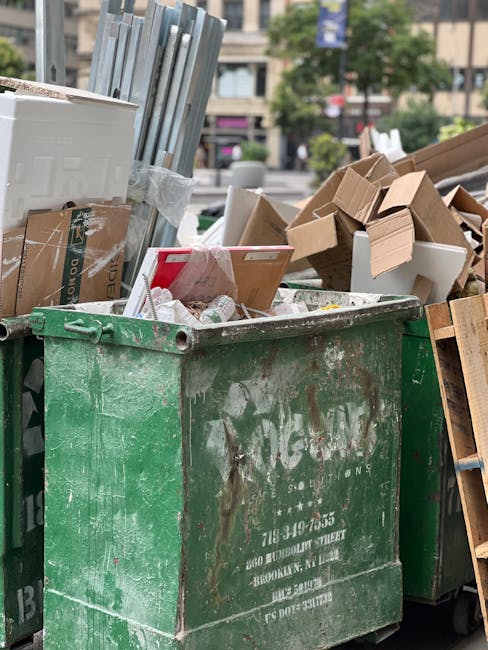
Why Rubbish collection tips for Praed Street residents Matters
Good rubbish collection habits matter more in Praed Street than people sometimes expect. The street sits in a busy part of London, where access can be tight and footfall is constant. That means badly placed bags, overflowing bins, or delayed collections can quickly become everyone's problem, not just yours.
There is also the simple reality of shared living. Many residents here live in mansion blocks, flats above shops, or converted buildings where waste storage is communal. One person's "I'll leave it outside for a bit" can become a corridor issue, a smell issue, and occasionally a fox issue. Truth be told, waste problems spread fast when space is limited.
Thinking carefully about rubbish collection helps you stay tidy, but it also protects your building, keeps communal areas usable, and reduces the risk of complaints. If you are juggling work, family, and a packed schedule, a proper system saves time too. That is the hidden benefit. Less waste stress. Fewer awkward moments with neighbours. Less rushing down stairs in the dark because collection day crept up on you again.
Expert summary: The best rubbish collection routine for Praed Street is simple: sort early, store safely, separate bulky or recyclable items, and choose the collection method that matches your building's access and volume. Small habits prevent most of the hassle.
How Rubbish collection tips for Praed Street residents Works
At a practical level, rubbish collection works through a mix of household presentation, local collection arrangements, and waste-transfer logistics. For residents, the main task is not the disposal itself. It is preparation. You need to know what type of waste you have, how much of it there is, when it can legally and safely be set out, and which route makes the most sense.
For everyday household waste, that usually means using the normal bins or collection arrangements attached to your building or property. For larger quantities, a one-off clear-out, or mixed waste that will not fit in standard bins, you may need a dedicated clearance service. If you are dealing with renovation debris, builders waste disposal in Paddington may be the more suitable route, especially if the waste includes plasterboard, timber, packaging, or broken fittings.
The flow is usually something like this:
- Identify the waste type: general rubbish, recycling, food waste, bulky items, garden waste, or construction debris.
- Separate reusable or recyclable materials where possible.
- Store waste in closed, safe containers until collection.
- Choose the right collection method based on volume and access.
- Make sure the handover is tidy and compliant.
That sounds obvious. It often is. But the issue is that most collection problems start with skipping one of those steps. A mattress left in a hallway, a mixed pile of rubbish under the wrong label, or a bin placed too early can create avoidable friction. In a dense area like Praed Street, the small stuff matters.
If you want a broader overview of available help, the services overview is a useful place to understand the kinds of waste support typically available in the local area.
Key Benefits and Practical Advantages
Better rubbish handling is not only about tidiness. There are a few very real practical advantages that come with getting it right.
- Cleaner communal areas: Fewer loose bags, fewer spills, and fewer smells drifting through hallways or stairwells.
- Lower risk of pest issues: Food waste and torn bags attract nuisance problems quickly, especially in warmer weather.
- Less neighbour friction: Nobody enjoys arguing about bin space. A tidy system keeps the peace.
- Safer access: Clear corridors and entrances reduce trip hazards, particularly in older buildings.
- Faster collection: When waste is sorted properly, removal is usually smoother and more efficient.
- Better recycling outcomes: If reusable and recyclable material is separated, less ends up as general waste.
There is also a quieter benefit that people often forget: confidence. When you know what to do with bulky waste or a sudden clear-out, you stop putting it off. And let's face it, rubbish procrastination is real. One bag becomes two, then a box appears, then somehow there is an old desk chair standing in the corner like it pays rent.
For residents trying to reduce waste at the source, it can help to look at local sustainability-minded options too. Our recycling and sustainability page covers the kind of habits that make disposal easier over time.
Who This Is For and When It Makes Sense
These tips are useful for a broad range of Praed Street residents, but they are especially helpful if any of the following apply to you:
- You live in a flat with shared bins or a communal refuse area.
- You are new to the area and are not yet sure how collections are organised.
- You are decluttering before a move, sale, or tenancy change.
- You have bulky household items such as furniture, white goods, or a mattress to remove.
- You are managing post-renovation waste or packaging from a home improvement project.
- You run a small office or home workspace and need occasional waste removal.
It also makes sense if you have already had one of those mildly irritating collection experiences where you put the bags out and they somehow remain there, untouched, while everyone else's waste disappears. Sometimes that is a timing issue. Sometimes it is a placement issue. Sometimes the wrong type of bag or item has been left out. Very human stuff, really.
Landlords, managing agents, and building residents' groups can benefit too. In shared buildings, a clear waste routine reduces complaints and helps common spaces stay in decent shape. If you are responsible for a property with regular turnover, this becomes even more important.
Step-by-Step Guidance
Here is a practical way to handle rubbish collection without turning it into a weekly headache.
1. Sort the waste before you start moving it
Separate rubbish into sensible groups: general waste, recycling, food waste, bulky items, and anything hazardous or specialist. Do this indoors if you can. It is easier to think clearly before the bags start piling up by the door.
For example, a clear-out of a spare room might produce paper, cardboard, broken household items, old clothes, and one heavy lamp with a loose fitting. Those should not all be treated the same way. Sorting first saves time later and reduces the chance of rejection or confusion.
2. Keep the area around the waste dry and tidy
Rain and rubbish are a poor combination. Wet cardboard tears, bin bags split, and small leaks become unpleasant fast. If you are storing waste for collection, use sealed containers and keep them off damp pavement where possible. In a busy London street, that little bit of care goes a long way.
3. Check access before collection day
Think about where the vehicle, operatives, or bins need to reach. Narrow frontages, steps, locked entrances, and parked cars can all make a simple job harder. If you know access might be awkward, mention it in advance. This is one of those small things that looks minor until it turns into a twenty-minute delay.
4. Deal with bulky items separately
Do not assume a large item can simply be added to the usual rubbish pile. Sofas, wardrobes, mattresses, and appliances often need different handling. If you are clearing out a flat or replacing furniture, arrange a dedicated removal route so the item does not sit around for days. That half-removed sofa by the front entrance is never a good look.
5. Decide whether a one-off collection is enough
If you have a small volume of waste, a standard arrangement may be fine. If you are clearing multiple rooms, an office, or a property after a tenancy change, a larger collection or full clearance is often more practical. A one-off job can sometimes cost less overall than dragging the process out over several trips and bins.
6. Make sure the handover is clear
When collection day arrives, leave waste in the agreed place, ensure it is easy to identify, and avoid mixing fresh rubbish with items that need separate treatment. If you are using a private clearance service, make sure there is no confusion about what is to be removed and what is staying. Nobody wants a missing item saga.
7. Review what caused the waste in the first place
This is the step people skip, but it can make a real difference. Were you ordering too many packaging-heavy deliveries? Did the recycling area run out of space because cardboard was not broken down? Did old items remain in storage for years before being cleared? A little reflection can reduce waste next time.
Expert Tips for Better Results
The most effective rubbish collection routines are usually not fancy. They are just consistent. These small expert habits help more than people expect.
- Break down cardboard immediately. It takes seconds, saves space, and stops boxes taking over the whole room.
- Use sturdy liners or heavy-duty bags. Thin bags split at exactly the wrong time. Always.
- Label mixed waste if someone else will handle it. A simple note can prevent sorting mistakes.
- Keep a "remove next" corner. One small area for items leaving the property helps avoid clutter spreading everywhere.
- Schedule clear-outs before pressure builds. If you know a move or renovation is coming, book early rather than waiting until the last minute.
- Separate reusable items before disposal. What can be passed on, sold, or reused should generally leave the waste stream first.
One practical observation from shared buildings: if a refuse area is left to drift for even a few days, it becomes harder to reset. People add to it. Bags move. Space disappears. Then everyone starts working around the mess instead of fixing it. Better to keep on top of it in small batches.
If you are comparing local clearance support, the rubbish clearance in Paddington page gives a straightforward picture of the sort of help residents often look for when standard bins are not enough.

Common Mistakes to Avoid
Most rubbish problems in busy residential areas come from a handful of repeat mistakes. Avoiding them is easier than cleaning them up later.
- Leaving bags out too early: This can look untidy and may create issues with timing or pests.
- Mixing bulky waste with normal rubbish: Large items often need separate handling and may not be collected with standard waste.
- Overfilling bags: They split, spill, and become unpleasant for everyone involved.
- Ignoring access issues: A locked gate or blocked pavement can derail a collection fast.
- Assuming recycling rules are the same for every item: They are not. Packaging, plastics, and composite materials can vary.
- Using unlicensed disposal routes: This is where people get into trouble, even when they meant well.
The biggest mistake is usually not the obvious one. It is the "I'll sort it later" approach. Later often arrives with a bigger pile, a tighter schedule, and more frustration. We have all done it at least once. Maybe more than once. Fine, quite a few times.
If you want to understand the potential consequences of poor disposal choices, the article on fines for improper disposal in Westminster is worth a look for general awareness.
Tools, Resources and Recommendations
You do not need a giant toolkit to handle rubbish properly, but a few simple items and habits make the process much smoother.
| Tool or Resource | What It Helps With | Why It Matters |
|---|---|---|
| Heavy-duty bin bags | General household waste and short-term storage | Reduces splitting and leaks |
| Cardboard cutter or box cutter | Flattening packaging | Saves space and improves recycling handling |
| Reusable boxes or crates | Sorting items before disposal | Helps separate waste streams cleanly |
| Gloves | Handling sharp or dusty items | Basic protection for hands |
| Notes app or checklist | Planning collection day | Stops small jobs being forgotten |
For residents dealing with bigger waste volumes, it also helps to compare service types before you commit. A scheduled pickup may work well if your waste is planned and ready. A same-day clearance can be more useful when something large is blocking space or a deadline has crept up on you. If you are weighing those options, the piece on same-day clearance versus scheduled pickup is a practical comparison.
For pricing awareness, you can also use the pricing and quotes page and the article on transparent clearance costs in Paddington to understand what influences cost before you book anything. That way you are not guessing, which is always preferable.
Law, Compliance, Standards, or Best Practice
Rubbish collection is not only a convenience issue. In the UK, waste must be handled responsibly, and residents should take care not to pass waste to someone who cannot legitimately transport or dispose of it. The exact requirements can depend on the type of waste, the premises, and the collection method, so it is sensible to stay within recognised best practice rather than winging it.
At a resident level, the main principles are straightforward:
- Do not dump waste in public or communal areas unless it is meant to be there for collection.
- Separate different waste types where possible.
- Use properly managed collection or clearance routes.
- Be careful with items that may be hazardous, sharp, or heavy.
- Ask for clarity if you are unsure whether an item belongs in general waste, recycling, or a specialist stream.
For larger clearances, it is wise to choose providers that work with appropriate insurance and safe working practices. That matters in shared buildings where stairwells, lifts, and tight entrances can create real risks if items are moved carelessly. You can read more about our approach on the insurance and safety page.
Best practice also includes being considerate of neighbours. That is not a legal point in the narrow sense, but it is a practical one. Keep noise down where possible, avoid blocking access routes, and clear waste promptly. A bit of courtesy goes a long way in a street like Praed Street where people notice what is happening outside their door.
If you need a broader sense of what the team does and how requests are handled, the about us page is useful for background. The your rubbish removal needs page is also helpful if you are trying to match a waste problem to the right kind of service.
Options, Methods, or Comparison Table
Different rubbish jobs call for different approaches. Here is a simple comparison to help you decide what makes sense.
| Method | Best For | Pros | Limitations |
|---|---|---|---|
| Normal household bin collection | Routine weekly waste | Simple, familiar, no extra planning | Limited capacity, not for bulky waste |
| Bulky item pickup | Furniture, mattresses, large appliances | Better for items too large for bins | May need preparation and timing |
| Private rubbish clearance | Mixed waste, larger clear-outs, awkward access | Flexible, fast, tailored to the job | Cost can vary by volume and complexity |
| Skip hire | Projects with ongoing waste generation | Handy for renovations and longer jobs | Space and permit considerations may apply |
| Specialist disposal route | Specific waste types like garden or builders waste | More appropriate handling | Requires correct sorting and planning |
If you are unsure which option is right, ask yourself one practical question: is this regular waste, or is it a one-off volume problem? That usually points you in the right direction. For example, an annual flat clear-out is not the same as renovation debris from a kitchen refit.
Residents considering a skip should also think about access and permissions. The guidance on whether you need a permit for skip hire in Paddington can help you understand the kind of planning that may be involved.
Case Study or Real-World Example
Here is a realistic example from the kind of situation many Praed Street residents face.
A two-bedroom flat needs clearing after a tenancy ends. The occupier has left behind a broken chair, several bags of mixed rubbish, a dusty lamp, cardboard from furniture deliveries, and an old mattress stored in a bedroom corner. The hallway is narrow, the lift is small, and the building shares a communal refuse area with limited space.
The sensible approach is not to drag everything out at once and hope for the best. Instead:
- Separate cardboard from general waste.
- Keep reusable household items aside in case they can be passed on.
- Handle the mattress as a bulky item, not regular rubbish.
- Move waste in stages to avoid blocking the hallway.
- Arrange collection at a time that suits the building's access pattern.
That sort of approach keeps the flat tidy during the process and reduces inconvenience to neighbours. It also avoids the slightly frantic feeling of realising, late on a Friday, that the pile by the door has become a small mountain. We have all seen that mountain. No one enjoys it.
In similar cases, a resident may compare regular collection, bulky waste pickup, or a full clearance service. If the waste includes a mattress and mixed household items, the article on same-day mattress removal in Paddington can be useful for understanding how urgent item removal is often handled in practice.
For larger clear-outs, particularly after an estate change or property turnover, this related guide on estate clearance advice for Sussex Gardens flats offers helpful context that is still relevant to nearby residential buildings.
Practical Checklist
Use this simple checklist before any rubbish collection or clearance. Short, but useful.
- Have I sorted waste into the right categories?
- Are all bags sealed and strong enough to move safely?
- Have I flattened cardboard and reduced empty packaging?
- Do any items need separate handling because they are bulky or heavy?
- Is the collection point clear and accessible?
- Have I checked that nothing important has been mixed into the rubbish?
- Are there any sharp, wet, or potentially hazardous items needing extra care?
- Do neighbours or building managers need to know about the collection time?
- Have I chosen the right disposal method for the amount of waste I have?
- Do I know what will happen to the waste after it is collected?
If you can answer yes to most of those, you are in good shape. If not, pause and sort it properly. It is rarely worth rushing waste handling just to shave off ten minutes.
Get a free quote today and see how much you can save.
Conclusion
Rubbish collection does not need to be difficult, but in Praed Street it does need a bit of thought. Shared entrances, compact storage, busy pavements, and varied building layouts all make good habits more valuable. Sort early, keep access clear, handle bulky items properly, and choose the right collection method for the job.
The best rubbish collection tips for Praed Street residents are the ones that reduce stress before it starts. That means a cleaner flat, fewer awkward bin-area moments, and a much easier life on collection day. Small routines really do add up.
If you have been meaning to tackle a clear-out, this is your sign to do it in a calm, organised way rather than in a last-minute scramble. One steady step at a time, that's usually how the best results happen.


From a young age, Blair has cultivated a passion for order, which has now matured into a prosperous profession as a waste removal specialist. She derives satisfaction from transforming disorderly spaces into practical ones, aiding clients in conquering the burden of clutter.
 Tipper Van - Junk Removal and Rubbish Clearance Prices in Paddington, W2
 Luton Van - Junk Removal and Rubbish Clearance Prices in Paddington, W2